Become a Certified Be The Messenger Facilitator
Three days of certification with Dr. Brian Chad Starks and the Center for Teacher Effectiveness. Then deliver the Be The Messenger training in your own district and anywhere you're invited.
Trusted by






From Dr. Starks
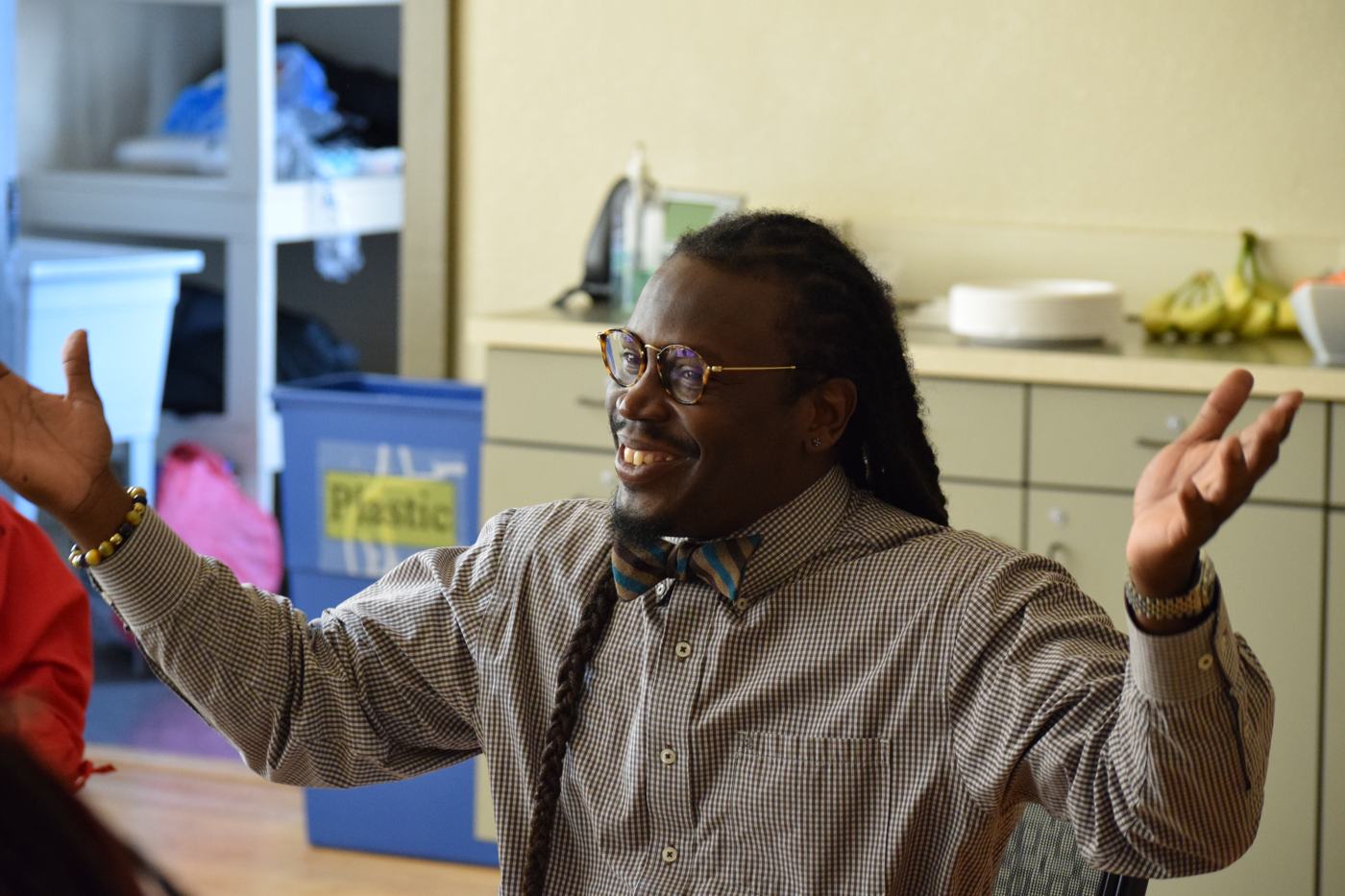
"We start with who people are before we tell them what to do."
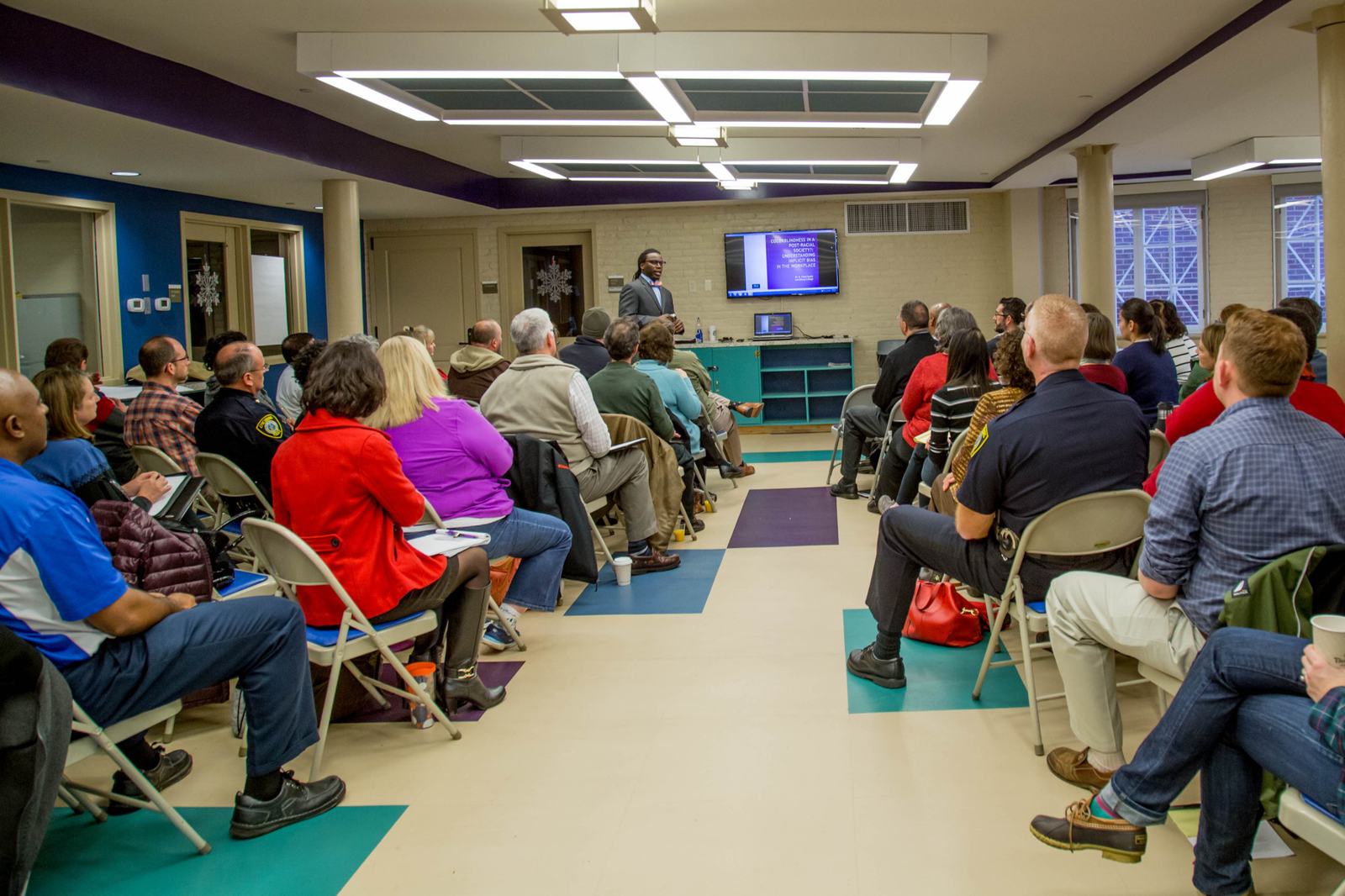
Dr. Brian Chad Starks holds a PhD in criminology and created the Be The Messenger Framework. He has delivered it to school districts, universities, and organizations for more than a decade, and he still describes the same moment as the one that tells him the work is working: halfway through a training, people stand up and read what they wrote about themselves, and colleagues who have worked side by side for twenty years find out how much they share.
He certifies facilitators so that moment can happen in rooms he will never be in. If you become one, you'll go through every reflection yourself before you ask it of anyone else.
What you'll be certified to deliver
The Education Edition: Being the Messenger: Understanding Diversity and Culture in the Classroom, a full-day training for the adults in a school. It is built on four constructs, and it begins by asking everyone in the room how they define them.
The four constructs
- IdentityThe lens through which a person sees themselves, and the lens through which society sees them.
- CultureThe beliefs, values, norms, customs, language, and heritage a group uses to navigate the world.
- DiversityValuing differences in perspective, identity, and background. It includes, yet is more than, race, gender, and class.
- RespectTreating yourself and everyone in high regard by valuing difference in identity, culture, and diversity.
By the end of the day, educators can
- Know the student's environment: the communities students come from
- Understand the school environment: how the school approaches discipline
- Define the four constructs and use them in the way they teach
- Practice the Messenger Method: Self-Reflection, Self-Awareness, and Self-Consciousness
- Understand bias and privilege
- Understand the collateral consequences of structural inequality
- Become Messengers
Designed for classroom teachers, reading specialists, literacy coaches, Title I staff, school administrators, school staff, athletic coaches, and school volunteers.
Do you resonate with this?
We're looking for people who already believe these things. Not people who can recite them, but people who have lived them. Read through and see how many are yours.
- Identity is sacred.Who you are walks into the room before what you teach does. The way you see yourself, and the way you've been seen, shapes every interaction you have with a student.
- Courage is necessary.You have to get uncomfortable to get comfortable. The training asks adults to look at themselves honestly, and you will do that work yourself before you lead it for anyone else.
- Difference is a strength, not a problem to manage.Different ways of thinking, doing, and being make a staff better. Facilitators help people see that instead of fearing it.
- Every student comes from somewhere, and it matters.You can't reach a child you haven't tried to understand. Knowing the student's environment is where the work starts.
- Respect is taught, not demanded.Schools punish disrespect every day and rarely teach respect. Facilitators change that order.
- Healing is a form of leadership.The adults in a building do their own work before they ask it of students. That is the order the Framework runs in.
- Justice is possible when people heal first.Systems change when the people inside them do.
- You talk about issues, not people.Facilitators stay out of the back-and-forth. They bring the scholarship and the conversation to the level where change happens.
- Excellence is decided before you walk in.Knowledgeable, prepared for the room, confident in the message, and still learning from every audience. No excuses, no script, your own style.
If most of these are yours, keep reading. If they're not, that's a fair answer too, and there are other ways into the work.
How certification works
Certification is by invitation. Take the short course below, interview with Dr. Starks, and if it's a fit, you're in the next cohort.
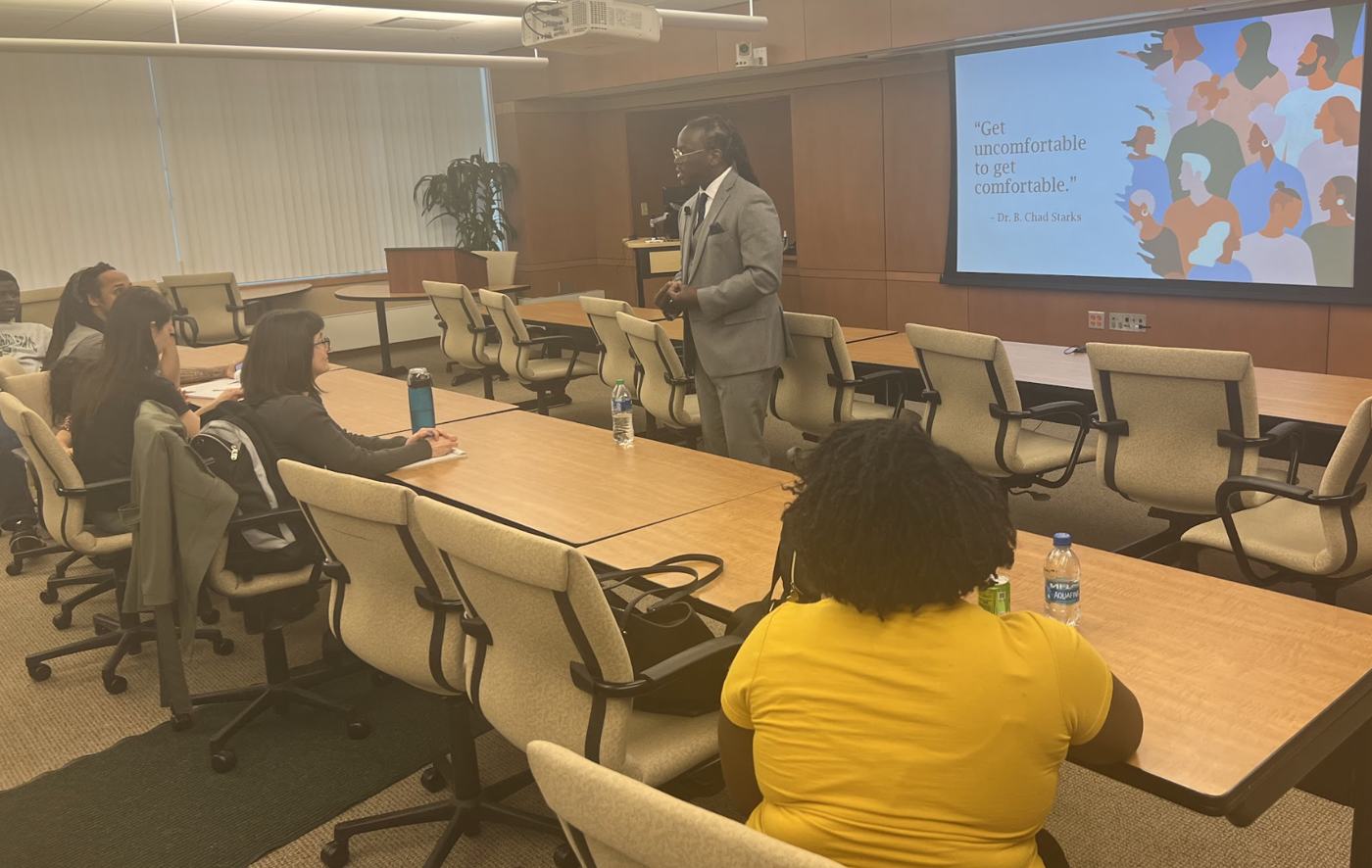
- Take the short course. About 20 to 30 minutes, one step at a time, ending with a short application. Everyone who finishes gets to schedule an interview.
- Interview with Dr. Starks. A conversation about who you are, where you'd deliver the training, and whether this is the work for you.
- Certification. Three days, delivered live by Dr. Starks with the Center for Teacher Effectiveness. Each cohort is announced as virtual or in person.
- Train where you're invited. Your own district, neighboring ones, and anywhere the training is requested.
Content Mastery
You go through the full Be The Messenger training as a participant first: the student's environment, the school environment, the four constructs, self-reflection, bias and privilege, structural inequality, and becoming a Messenger.
Content Mastery
The same training, module by module, from the facilitator's side: why each activity sits where it does, the stories that carry it, and the research behind each practice in the Education Edition manual.
High-Impact Facilitation
Setting norms, handling pushback, staying neutral and non-punitive, and taking care of the people in front of you. How to get a room comfortable being uncomfortable.
What you receive
- Certification as a Be The Messenger Facilitator
- The Be The Messenger: Education Edition manual
- Access to the trainer portal and training materials
- Graduate-level credit available through UMass Global
- Contracts, billing, and bookings handled by the Center for Teacher Effectiveness
What it asks of you
- Three full days, with every reflection completed as a participant before you lead it
- A willingness to deliver the training in your own words, never from a script
- No quota and no requirement to leave your current job
Facilitators are paid for every training day they deliver. Certification doesn't come with a set amount of contracted work. Facilitators train where they're invited and booked, and many start in their own district.
What a training day pays, tuition, funding options, and the sponsorship program are all covered in the course and in your interview, before you commit to anything.
What the people who hired the training say
"Dr. Starks' approach and instructional style allows the participants to talk about very difficult subject-matter and problems in a way that is inclusive and productive."
"Based on conversations you lead, we were able to implement a START (STEM Academic Research & Training) Ambassador program."
Questions people ask
- Do I have to leave my job?
- No. Most facilitators keep their current role and train on days they choose.
- Is there a quota?
- No. You train as much or as little as you're invited to and want to.
- Who delivers the certification?
- Dr. Starks himself, with the Center for Teacher Effectiveness.
- Is it virtual or in person?
- Each cohort is one or the other, and we say which when we announce it. The January 2027 cohort is virtual.
- What can I deliver once certified?
- The full-day Education Edition training, in your own district and anywhere the training is requested.
- I don't work in a school. Can I apply?
- Yes. Tell us your field in your application. Certification starts with the Education Edition, and applications of the Framework for other fields are in development.
- Is a facilitator the same as a Messenger?
- No. Anyone who completes the training and commits to applying it is a Messenger. Facilitators are certified to deliver the training to others, which takes more preparation and carries more responsibility.
- Does it carry college credit?
- Yes. Graduate-level credit is available through UMass Global.
- How do people pay for it?
- Some pay themselves, some are sponsored by their district, and a sponsorship program is available. Tuition is covered in the course and in your interview, before you commit to anything.
- What happens after the interview?
- If it's a fit, you receive an invitation with a welcome page where you sign the certification agreement and reserve your seat in the next cohort.
Is this you?
A short course, one step at a time: the Framework you'd teach, what the work asks of you, and how certification and tuition work. It ends with a short application and your interview with Dr. Starks.About 20 to 30 minutes. Your progress saves on your device, so you can stop and come back.
Pick your path on the first page
Everyone learns the same Framework and the same training day. The course only shows you the parts that fit what you'd do with it.
- Your own school or district. You'd become the in-house facilitator for the staff you already work with.
- Wherever you're invited. You'd deliver the training to schools and districts that ask for it, and be paid for each training day.
- Both. Your own district, and schools and districts beyond it.
Not ready to become a facilitator?
Bring the training to your institution
A certified facilitator, or Dr. Starks himself, delivers the training for your people. Districts that want to keep the work going can certify their own facilitators from the same visit.
Request detailsFollow the work
The Be The Messenger podcast, with guest conversations on Tuesdays and Messenger Memos on Thursdays, and The Messenger Dispatch, Dr. Starks' original essays on Substack.